Working With Your Lab
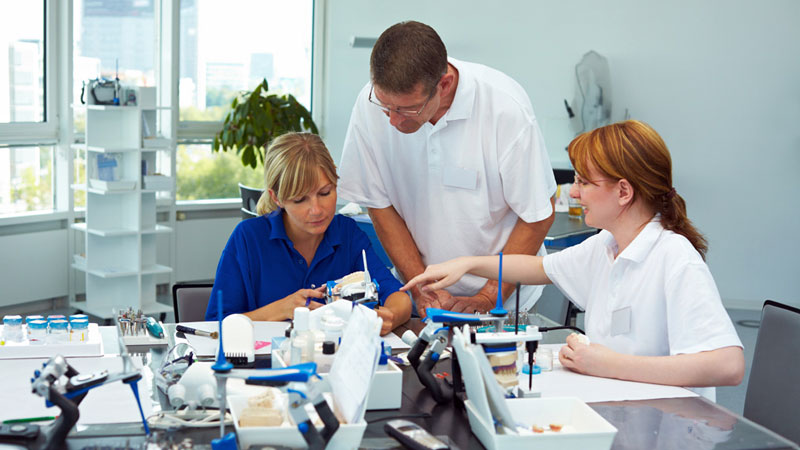
The simple fact for restorative dentists is that our lab is a critical part of our practice and the results we can achieve. This is due to the simple fact that no matter how good of a job we do, if our lab drops the ball, the end result will suffer. On the flip side, if we don’t give our labs what they need, no matter how hard they try, they can’t deliver a great result. In this article, I will go over some tips that may help improve your current relationship with your lab or get a relationship with a new lab off on the right foot.
Perhaps the most important thing to me to is an open relationship with my lab. This starts with making sure your lab knows what you expect. This alone is not enough, because we first have to make sure we deliver what our lab needs to deliver the results we expect. Making sure both sides meet these goals requires crystal-clear communication. I can’t stress this enough: Both sides need to make sure this communication is really taking place and a clear message sent is a clear message received. It is way too easy to think we said or communicated something when, in fact, something else completely different was heard.
The next big thing is that once you and your lab are clear on what each of you need and expect from each other, each holds the other to agreed-upon standards. While it’s easy to say we should do this, by nature, dentists and technicians tend to be timid and nonconfrontational, so actually doing this can be hard because neither side wants to upset the other. The key here is that both sides agree from the start on how this will be done, and that when something needs to be said, it will be done in a respectful, professional manner.
So, how does this communication and feedback get done effectively and accurately? In my opinion, in a perfect world it takes place face-to-face, in person. That being said, I totally get that your lab may not be local, and meeting in person may not be practical. The good news is that with today’s technology, we have a lot of great ways around this, including videoconferencing and photographs.
When it comes to your lab prescriptions, I often find it helpful to include some notes, rather than just checking off boxes, to make sure I’m clear about my instructions.
Lastly, in many cases, I will request a phone call and/or meeting to discuss the case to make sure both the lab and I are on the same page with everything.
SPEAR NAVIGATOR
Transform how your practice runs by engaging the team through
coaching and training
A guided path to excellence through structured coaching and self-guided resources that will align your team, streamline processes and drive growth. Transform your practice by implementing Spear’s proven playbooks for developing and retaining a high-performing dental team.

By: John Carson
Date: March 13, 2015
Featured Digest articles
Insights and advice from Spear Faculty and industry experts