Flat or Wrap When Preparing Anterior Teeth?
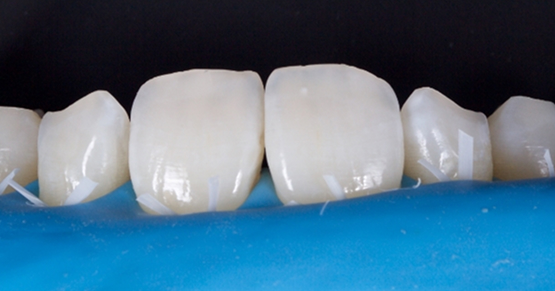
When preparing anterior teeth for ceramic veneers, do you prepare the incisal edge flat, or do you overlap and extend down the lingual aspect of the tooth? To assist you in making that decision, consider the following factors:
- Will the veneer be bonded to enamel or dentin on the facial aspect of the tooth?
- Are there functional or parafunctional issues that need to be addressed?
- Are there structural compromises in the tooth?
- Is there a significant morphology change occurring, retroclining or proclining tooth position?
Generally, if the ceramic veneer is going to be bonded to enamel and there are no considerations other than restoring the tooth for esthetic reasons, it’s easiest for the clinician to prepare the incisal edge flat. This makes it easier for the technician to design a well-fitting restoration, because there will be less detail in the preparation that must be accommodated during fabrication.
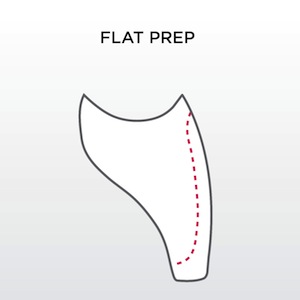
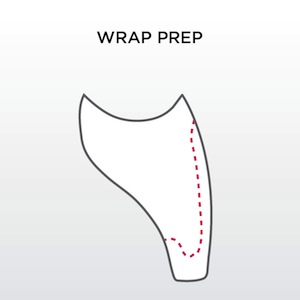
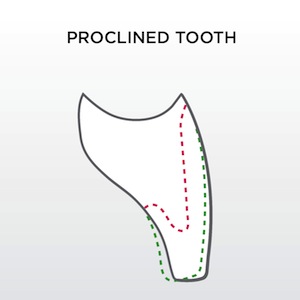
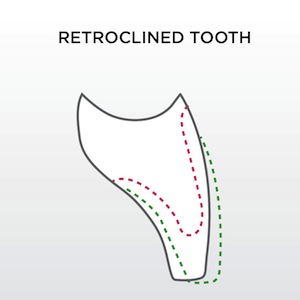
Suppose you want to increase the retention of the veneer, or are planning morphology changes for esthetic, functional, or structural reasons. In that case, I recommend that you overlap the incisal edge and prepare it for the lingual aspect of the tooth. This increases the resistance form of the preparation so the ceramic engages the lingual aspect of the tooth.
The additional reduction of the tooth allows the technician to make the morphology changes to the restoration without creating an incisal edge that is too thin or thick. A diagnostic wax-up is extremely helpful in determining how far the preparation must extend into the lingual surface.
SPEAR campus
Hands-On Learning in Spear Workshops
With enhanced safety and sterilization measures in place, the Spear Campus is now reopened for hands-on clinical CE workshops. As you consider a trip to Scottsdale, please visit our campus page for more details, including information on instructors, CE curricula and dates that will work for your schedule.

By: Robert Winter
Date: October 19, 2017
Featured Digest articles
Insights and advice from Spear Faculty and industry experts