Airway, Sleep and Respiratory Reflux
For many restorative dentists, classifying and managing non-carious lesions can be difficult — especially with erosive lesions. The etiology is multifactorial and includes both intrinsic and extrinsic sources.
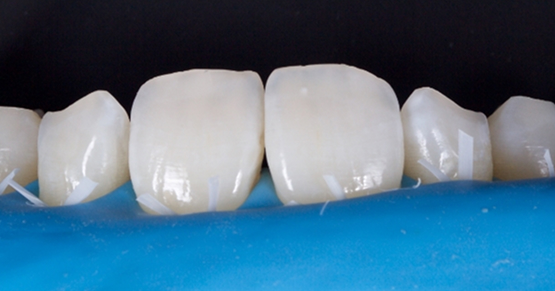
Gastroesophageal disorders like gastroesophageal reflux disease (GERD), bulimia, and anorexia create an intrinsic loss of tooth structure. This article introduces a new perspective on reflux and the possible triggering mechanisms during sleep.
Classically, GERD has been described as a digestive condition caused by the backflow of acid into the esophagus, often associated with discomfort or heartburn. A new reflux model can be divided based on the location of the insult: esophageal or respiratory.
Esophageal reflux is the classic form of GERD. Still, respiratory reflux — also called laryngopharyngeal reflux (LPR) — is the introduction of acid and non-acidic contents into the larynx and/or pharynx past the upper esophageal sphincter. Non-acidic reflux includes stomach contents other than acid, like mucus, pepsin, bile, and other digestive secretions that backflow.
Unlike the esophagus, the larynx is extremely sensitive to acid and pepsin assault. LPR is commonly called “Silent GERD.” The silence is because very few patients will have heartburn symptoms. More commonly, patients present symptoms of hoarseness, chronic cough, frequent throat clearing, mucus in the throat, problems swallowing certain foods, or a lump in the throat. Dental erosive damage is most common in patients with respiratory symptoms.
Interestingly, many of the symptoms are due to the pepsin rather than the acid. This means that treating the acid with proton pump inhibitors (PPI) may reduce acid exposure to the teeth but will do little to reduce pepsin-induced LPR symptoms.
During an obstructive sleep apnea event, thoracic and abdominal effort are increased to breathe against a choke point in the pharynx. The exertion creates negative intrathoracic pressure. It has been proposed that the increase in respiratory effort associated with obstructive sleep apnea promotes additional stomach contents being expelled due to the negative pressure eventually overcoming the efforts of the lower esophageal sphincter. The contents are drawn and aerosolized into the larynx and pharynx during obstructive release into the upper airway. This model assists in explaining the older, overweight apnea patient, but does little to explain why a typical patient complaining of “GERD” is the upper airway resistance syndrome (UARS) patient.
The typical UARS patient is a young, fit female who has sleep fragmentation and insomnia due to inspiratory flow limitation (IFL) or respiratory effort-related arousals (RERA) rather than obstructive apnea. In a dental practice, these patients routinely present as the myofascial TMD or headache patient. Interestingly, chronic flow limitations do promote liquid return past the upper sphincter, creating a cyclic response between sleep and reflux.
It has been postulated that the respiratory reflux has an impact on sleep that goes beyond the traditional metric of the apnea-hypopnea index. First, the lining of the upper airway is not designed to withstand the insult of acid and pepsin. Acidic and non-acidic particulates that are harbored on the tissues in the nose and throat will cause erythema. The swelling and loss of tissue tone create an airway that is more collapsible within normal flow-limited breathing.
Second, the collapsible segment of the airway has neural receptors that signal the brain to changes in the airway closing pressure. These neural centers are damaged by repeated insult from respiratory reflux. The neural damage can deteriorate laryngeal dilator reflex mechanisms and cause respiratory effort.
Third, dysautonomia or autonomic dysfunction may increase respiratory reflux events and damage. Autonomic neuropathy may be induced by overactivity of the sympathetic nervous system during sleep. IFL and RERA increase sympathetic sleep instead of parasympathetic healing sleep. These patients are more prone to multiple sympathetic arousals due to nasal and/or craniofacial limitations to air flow.
Every time they respond to a “minor” airway compromise, the sympathetic activity damages the autonomic nervous system. Patients with respiratory reflux demonstrate poor autonomic modulation and higher sympathetic activity. The lack of parasympathetic sleep seems to be involved in the pathogenesis of LPR.2
Finally, because of the location and nature of LPR, an otolaryngologist rather than a gastroenterologist would be a more appropriate referral.
In conclusion, examining erosive tooth loss is a part of daily practice. Clinicians routinely ask “how” the damage occurred. The “why” of the disease is an essential reminder that dentistry can detect many health issues far before the onset of the more serious damage related to obstructive apnea.
References
- Wang, G. R., Zhang, H., Wang, Z. G., Jiang, G. S., & Guo, C. H. (2010). Relationship between dental erosion and respiratory symptoms in patients with gastro-oesophageal reflux disease. Journal of Dentistry, 38(11), 892-898.
- Huang, W. J., Shu, C. H., Chou, K. T., Wang, Y. F., Hsu, Y. B., Ho, C. Y., & Lan, M. Y. (2013). Evaluating the autonomic nervous system in patients with laryngopharyngeal reflux. Otolaryngology–Head and Neck Surgery, 148(6), 997-1002.
SPEAR campus
Hands-On Learning in Spear Workshops
With enhanced safety and sterilization measures in place, the Spear Campus is now reopened for hands-on clinical CE workshops. As you consider a trip to Scottsdale, please visit our campus page for more details, including information on instructors, CE curricula and dates that will work for your schedule.

By: Jeffrey Rouse
Date: May 20, 2019
Featured Digest articles
Insights and advice from Spear Faculty and industry experts