Where Is the Edge?
“Trust the Force, Luke” is a well-known line from the movie Star Wars. In the context of diagnosis and treatment planning, “trusting the Force” often begins with AESFB, which stands for Airway, Esthetics, Structure, Function, Biology. If there are no concerns regarding the airway, we then focus on esthetics.
We start by determining where the incisal edge of the maxillary central incisors should be placed. Dr. Frank Spear wrote an excellent article for Spear Digest outlining how to finalize the edge position.
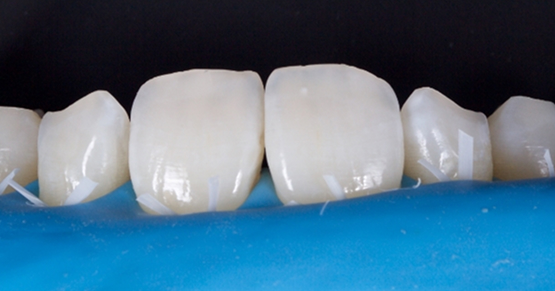
One photograph used to help determine the incisal edge position is the lips at rest. Using esthetic guidelines of where the edge should be is based upon age and gender. When we determine this edge position, we know where to start. But what do we do when we cannot see the edge in the lips at rest photo? The edge may be under the upper lip or tucked below the lower lip.
My experience tells me that a hidden edge is more common on the upper lip than on the lower lip. I see this in our aging population and in wear cases where our patients’ teeth are too short. Today, when I see anterior wear without posterior wear, I also have to consider that there may be an airway issue as a factor in the wear pattern. Often, the A and E go hand-in-hand.
Many people use a periodontal probe to measure how far the incisal edge is under the lip.Probes do not work well in my hands (or my assistants’ hands) because the tip of the probe easily falls off the edge, making it challenging to get a usable photo.
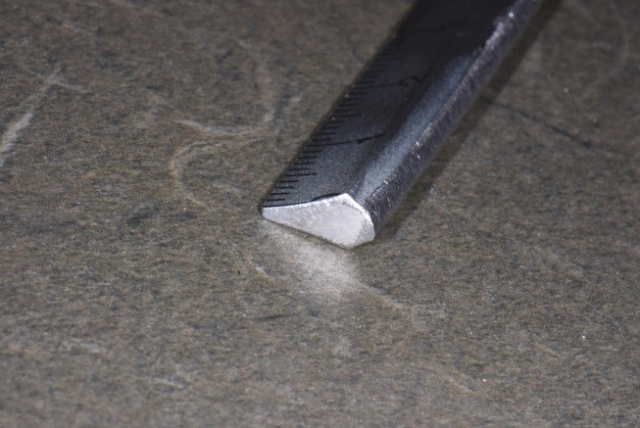
So, in my quest to create stability and make this photo easier for me and my team, we created a flat-edge millimeter ruler with some surface area that can stay on the edge and has some thickness. An aluminum triangular ruler would allow me to create such a device. The $2.99 we invested in eBay, which included free shipping, gave me several lip rest rulers. They sterilize easily and are a part of our photographic set-up. I used a metal cutting wheel and polished the sharp edges with a dental lathe.
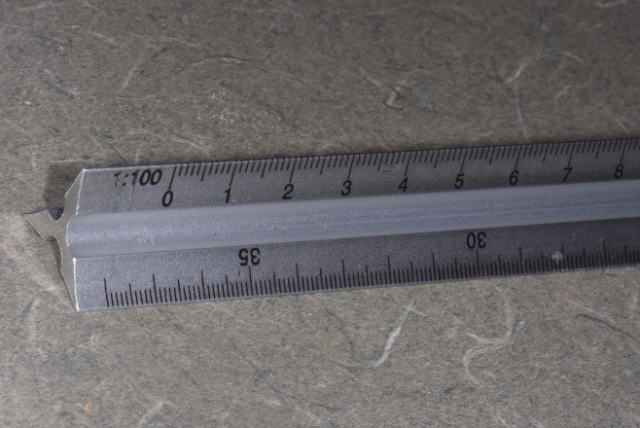
The photos below demonstrate its use. Knowing that the incisal edge is a millimeter below the lip, we may test how the incisors will look and function 1.5 to 2.0 mm longer.
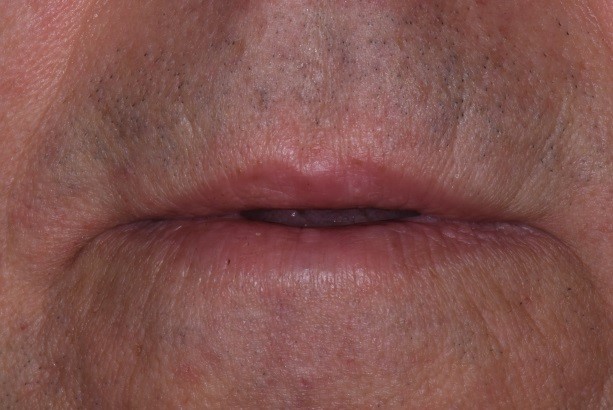
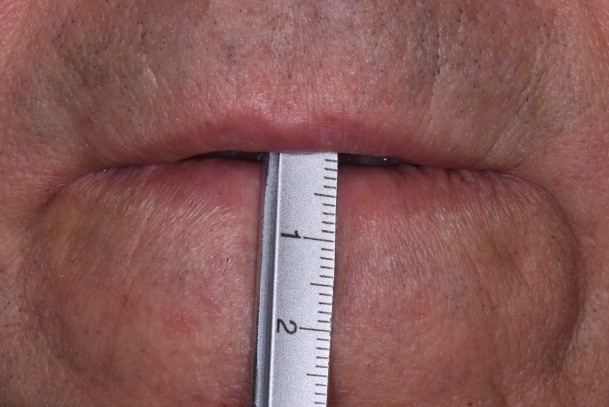
There are also times when the incisal edge is somewhat hidden by the lower lip. In these cases, we take a sterile permanent marker from our assistant’s pocket and draw a line where we believe the edge should be.
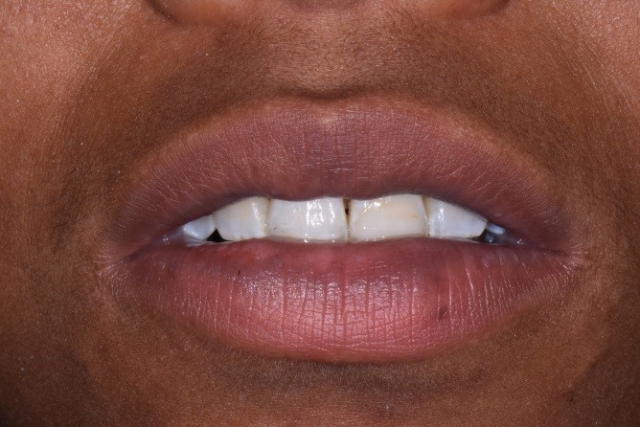
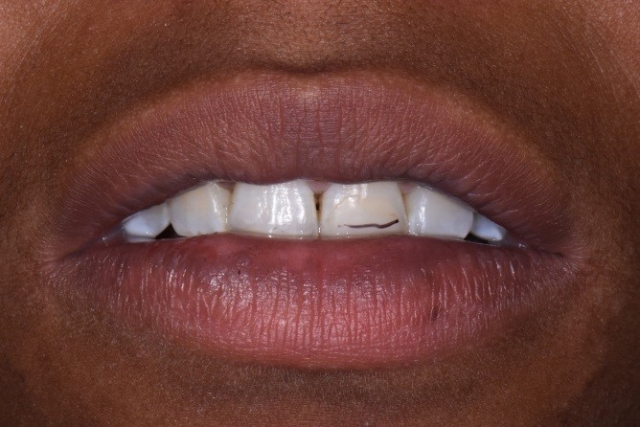
We then measure the distance from the edge to our mark. This information helps us determine whether to reposition the edge apically by 3.0 mm.
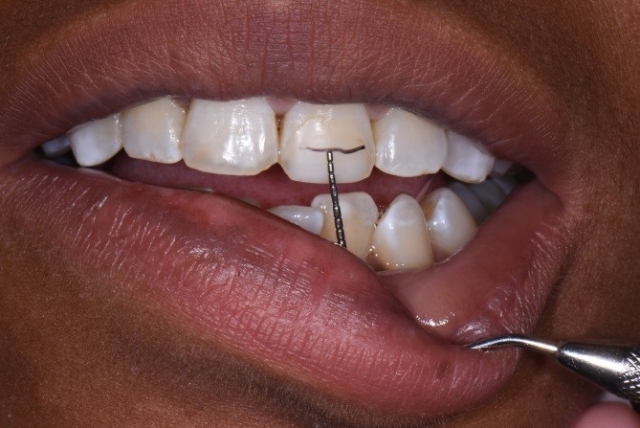
My aluminum modified millimeter ruler and our sterile permanent markers are just two of my non-dental dental supplies. Be creative — it will show in all that you do.
SPEAR campus
Hands-On Learning in Spear Workshops
With enhanced safety and sterilization measures in place, the Spear Campus is now reopened for hands-on clinical CE workshops. As you consider a trip to Scottsdale, please visit our campus page for more details, including information on instructors, CE curricula and dates that will work for your schedule.

By: Carl Steinberg
Date: August 7, 2018
Featured Digest articles
Insights and advice from Spear Faculty and industry experts