Is Your Dental Practice a Profit Center or a Center for Future Profits?
“Filling up the bucket” was a phrase my dad introduced to us when we first started practicing. There’s not a particular definition of this phrase, but rather a mindset that requires patience and understanding as to how it can benefit the practice.
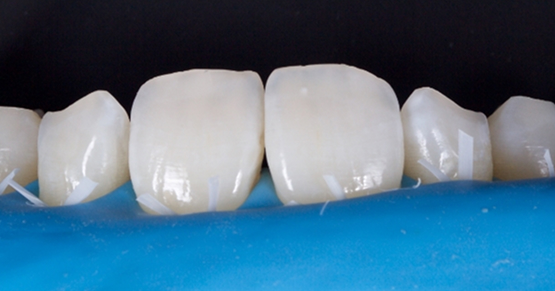
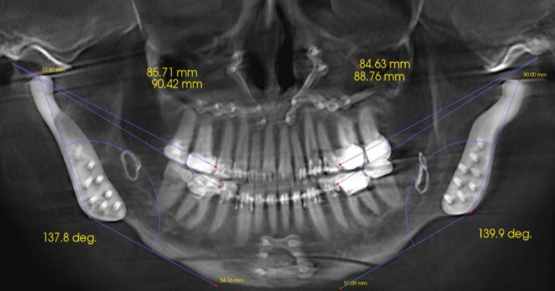
Let me explain: In our initial comprehensive exam, new patients between the ages of 30 and 70 are in the practice for about 80 minutes. The first 30 minutes are spent with the dental assistant to take a full-mouth series of X-rays and seven photographs: a full face for patient identification, an up-close smile, anterior retracted with the teeth apart, right and left lateral with the teeth apart, and upper and lower occlusal photos.

Team members also perform a preclinical interview where they explain to the patient what to expect at their initial visit, confirm the patient’s chief complaint, and begin to ask questions about their dental history (i.e. last visit to the dentist).
The next 50 minutes are spent performing the comprehensive exam. We’ve customized our exam form based on our flow, but essentially, it follows the structure that Spear presents in the Treatment Planning With Confidence workshop.
Some of you may be thinking, “This is a lot of time to block out to not be compensated in return.” We recognize that the compensation is not reflective of the time spent; however, we believe the value the patient receives during that initial visit will help them better understand the current condition of their oral health and, in turn, help them make more educated decisions toward future treatment.
We found it to be very difficult to help patients make healthy choices if we did a brief exam after a hygiene visit. We felt like we didn’t get to know the patient as well as we would’ve liked, we couldn’t educate to the best of our ability, and we always left the room feeling like we could’ve discussed more but just didn’t have the time to do so.
The current structure of our initial visit for new patients has eliminated all of this. We have the time to get to know the patient and the ability to educate them on our findings without feeling rushed. This, in turn, has helped increase the patient’s perceived value of dentistry and establish a sense of trust between the patient and our practice.
So, how does this structure of the initial comprehensive exam for new patients relate to the phrase “filling up the bucket”?
The comprehensive dental exam and patient education
Let’s imagine your schedule is the bucket; now, think about how much treatment is needed to fill it up. (Keep in mind there’s no one single right answer and our buckets are going to vary based on the type of schedule we want for ourselves.) We believe and have seen that the comprehensive exam creates more opportunity for treatment and, in turn, helps fill our schedule (the bucket).
We use the 50 minutes of the exam to gather all the necessary information, make patients aware of what we see (tour of the mouth), discuss the consequences of inaction, and begin to discuss treatment options based on their needs and expectations. Again, this valuable time enables us to educate the patient to the best of our ability and helps the patient make more educated decisions toward future care. We’ve seen patients accept a lot more treatment because of this and, as a result, our bucket continues to fill.
Sometimes we’ll perform the comprehensive exam and see patients confused or frustrated because it’s the first time they’re hearing about a lot of these things. We commonly get asked, “Why didn’t my last dentist tell me about this?” and our typical response is, “We don’t know how other dental practices function, but we believe this is the best way for us to gather the information we need to provide you with the best long-term oral health care.”
I’ve also found that most of our new patients were frustrated with dentistry in general because they were never given a plan as to how to approach their oral health. This is one of the goals during that initial visit: Customize a plan that meets the patients’ needs and expectations and talk about the plan together to make sure everyone is on the same page.
A lot of times, we see the sense of relief from the patient because now they have a roadmap to achieving optimal oral health. This has been a very effective way to diffuse the frustration of the patient and help them see the value in the comprehensive approach.

The way we structured our system for new patients was definitely a big change for the entire practice, but one we will never regret.
We thought new patients were a great place to start because they thought we’d been doing it this way forever. We thought to ourselves: “If our goal is to set ourselves apart and do our best to improve the overall oral health of our patients, then wouldn’t we want to spend the time it takes to do so?”
Our answer was yes, and you can have the same success. Trust in yourself that it will work, get your team on board, and watch the positive feedback help your practice grow to levels you’ve always envisioned.
VIRTUAL SEMINARS
The Campus CE Experience
– Online, Anywhere
Spear Virtual Seminars give you versatility to refine your clinical skills following the same lessons that you would at the Spear Campus in Scottsdale — but from anywhere, as a safe online alternative to large-attendance campus events. Ask an advisor how your practice can take advantage of this new CE option.

By: David Monokian
Date: November 18, 2017
Featured Digest articles
Insights and advice from Spear Faculty and industry experts