Why You Should Be Using Glycerin on Your Composite Restorations
How do you lessen the sticky oxygen-inhibited layer on composite restorations?
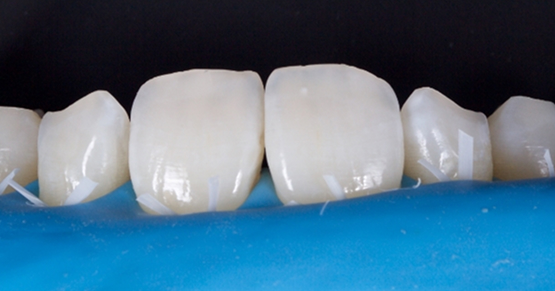
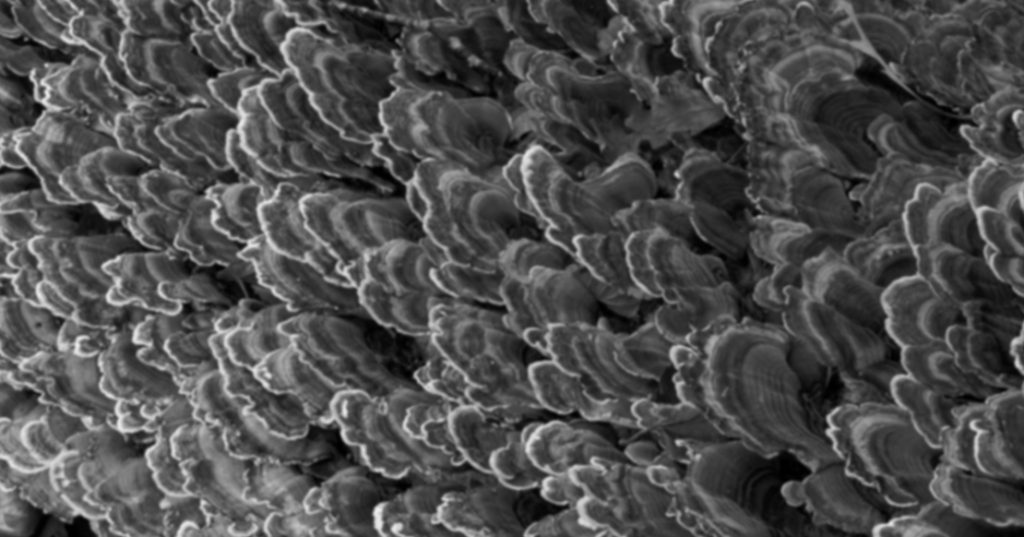
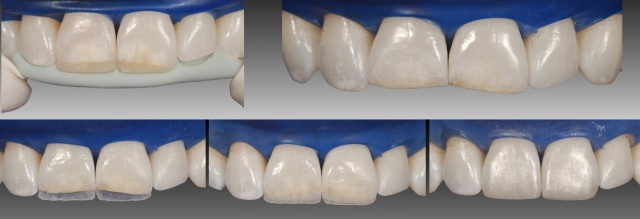
This question is of some import to me because direct composite is often now my first choice when restoring anterior teeth, due to its conservative nature (see Figures 1–3).
[Editor’s note: Click here for an article on treatment planning for anterior restorations.]


When composite is light-cured, oxygen in the air causes an interference in the polymerization, resulting in the formation of an oxygen inhibition layer on the surface of the composite. The oxygen-inhibited layer is the sticky, resin-rich uncured layer left on the surface. Although this layer can be removed by finishing and polishing the restoration, it will typically get in your bur or disc, causing it to be inefficient or useless.
To minimize the presence of an oxygen-inhibited layer, it has been recommended that the final cure of the composite be completed through a Mylar strip (for interproximal restorations) or through an application of glycerin or a similar such material applied to the surface (for more complex facial/palatal and occlusal surfaces).1
When using glycerin, the final curing is completed through the glycerin. The glycerin is then rinsed off before finishing and polishing. The result is a harder composite surface that is easier to finish.
It must be noted that this oxygen-inhibited layer can also form on the margins of indirect restorations that have been bonded with resin cements, so it is advisable to also use glycerin on the margins of these restorations — especially if you are not routinely finishing back the margins.
Reference
- Park HH, Lee I-B. Effect of glycerin on the surface hardness of composites after curing. J Kor Acad Cons Dent 2011; 36(6):483–489.
SPEAR campus
Hands-On Learning in Spear Workshops
With enhanced safety and sterilization measures in place, the Spear Campus is now reopened for hands-on clinical CE workshops. As you consider a trip to Scottsdale, please visit our campus page for more details, including information on instructors, CE curricula and dates that will work for your schedule.

By: Greggory Kinzer
Date: January 14, 2019
Featured Digest articles
Insights and advice from Spear Faculty and industry experts