When To Use Triple-Tray Impressions
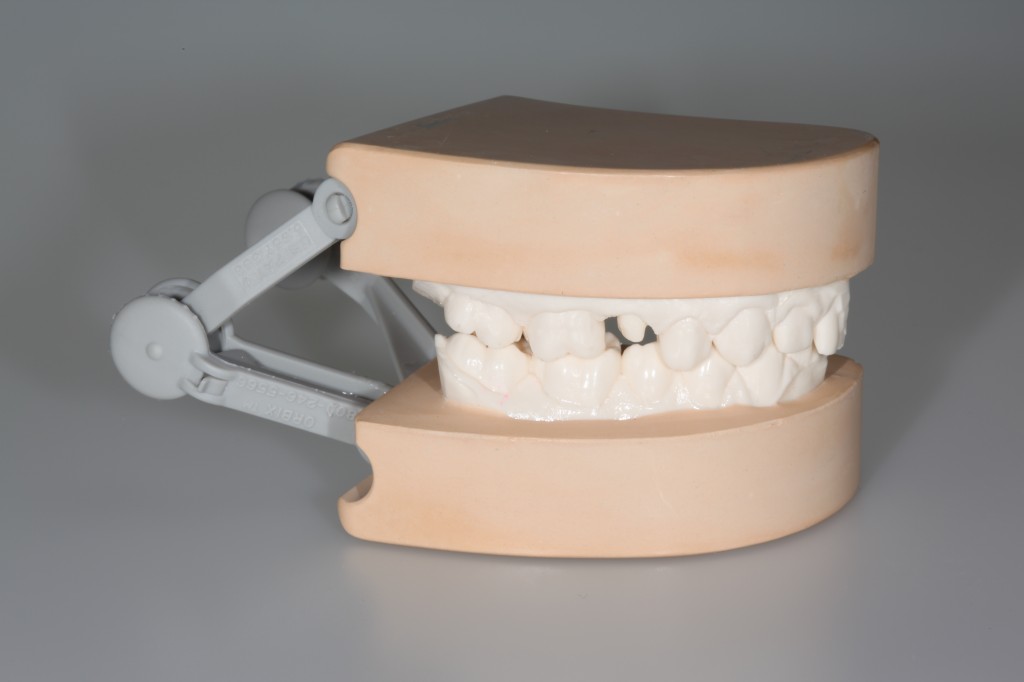
After a previous article, someone asked about the accuracy of using triple-tray impressions. Using triple-tray impressions for simple posterior one-to-three-unit cases can be a highly predictable and effective way for practitioners to produce acceptable outcomes.
It is best not to use a triple tray when the distal-most tooth in the arch is being prepared. From a functional standpoint, when the second molar is present, the anatomy and cusp inclinations of this tooth can be a guide to the anatomy and cusp inclination of the restorations being fabricated anterior to this tooth.
More than 70% of posterior units produced in dental laboratories are fabricated on casts from triple-tray impressions. The disadvantages to using quadrant impressions on simple hinge articulators are:
- The filament between the upper and lower teeth will cause slight distortion in the occlusal morphology of the unprepared teeth, and may cause a slight shift in the occlusion when biting into the impression material.
- The accuracy of the bite is sometimes difficult to confirm. This is why a bite registration is suggested over the prepared tooth.
- The articulation used does not represent the normal distance from the condyles to the restorations fabricated. This means that only the intercuspal contacts (MIP) can be checked in the laboratory. No lateral or protrusive movements made on these simple hinge articulators will replicate nature. At the time of insertion, there is a greater need to check and adjust centric and eccentric contacts when compared with full-arch casts mounted on a semiadjustable articulator.
- The teeth on the contralateral side are not impressed, so the tooth morphology produced in the restoration will not match to these teeth.
As long as you understand the limitations of using a triple-tray technique, it can create an acceptable outcome for simple posterior cases.
SPEAR ONLINE
Team Training to Empower Every Role
Spear Online encourages team alignment with role-specific CE video lessons and other resources that enable office managers, assistants and everyone in your practice to understand how they contribute to better patient care.

By: Robert Winter
Date: October 26, 2012
Featured Digest articles
Insights and advice from Spear Faculty and industry experts